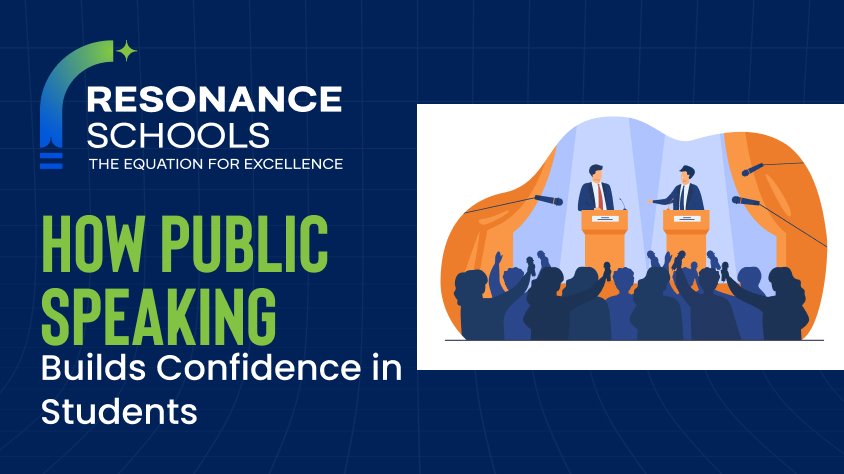
Why Public Speaking Training Builds Confident Kids
Many parents often say, “My child is very shy.” It sounds harmless, but labeling a child as shy can slowly shape how they see themselves. The truth is, shyness is not a weakness. In many cases, it simply means a child is thoughtful, observant, and modest. Instead of worrying about shyness, parents and teachers should help children express themselves. This is where public speaking for students becomes very powerful. With the right environment and guidance, even the quietest child can learn to speak confidently.
Understanding Why Children Feel Shy
Shyness can sometimes be a learned behavior. It may also stem from a lack of confidence about how to present themselves in front of others. Many children have internal questions like:
What should I say?
What if people laugh?
What if I make a mistake?
Will people still appreciate me if I fail?
These thoughts can make them nervous about speaking in public. However, when children get opportunities to speak in a safe and supportive environment, they gradually become comfortable. This is why communication training kids programs are becoming so important in schools today.
How Public Speaking Helps Children Grow
Public speaking is not just about standing on a stage and talking. It helps children build many important life skills. Through public speaking for students, children learn how to: Organize their thoughts clearly, express ideas confidently, listen to others carefully and communicate respectfully. Over time, these skills also help them in academics, friendships, and future careers. The journey to overcome stage fear in children does not happen overnight. It requires patience, encouragement, and the right training methods. Here are some simple approaches parents and teachers can use:
1. Never Scold a Child for Being Shy: Shyness is not a negative trait. Sometimes it comes from modesty and careful thinking. Instead of criticizing, encourage them gently.
2.Change the Approach: Do not push a child to become a powerful speaker right away. The goal of speaking is simply to share ideas and knowledge with others.
3. Appreciate Effort: Rather than pointing out mistakes first, acknowledge their courage for trying. Positive feedback builds confidence faster.
4. Start with a Friendly Audience: Let the child speak in front of a small and comfortable group at first. This could be family members, classmates, or a small group activity.
5. Avoid Memorizing Word by Word: Forcing children to memorize speeches can increase pressure. Encourage them to understand the topic and speak naturally.
6.Begin with Short Speaking Time: Allow children to speak for just a minute or two at first. Confidence grows gradually.
7. Encourage Clear Voice Practice: During practice, children can try to speak loudly enough for everyone in the room to hear them. This improves voice confidence. These simple steps are often used in confidence building activities in school programs to help children feel comfortable on stage.
The Role of a Safe Environment
Children grow faster when they are not judged. If they feel safe while practicing speaking, they naturally build confidence. Exposure to speaking opportunities slowly removes fear. This process is known as desensitization; the more children practice speaking, the less nervous they feel. That is why structured personality development training in schools is so essential.
FAQs:
1. Is being shy the same as having a lack of confidence?
A. No. The child may be shy around others, but he or she can have good ideas and abilities too. Confidence develops with practice and encouragement.
2. Can making a shy child speak on stage only end up making the situation worse?
A. Yes, it can. It is better to guide the child with positive reinforcement.
3. What type of confidence building activities are conducted at Resonance School?
A. Activities are conducted, which include storytelling, group discussions, presentations, etc.
4. Can public speaking training help children in their future careers?
A. Yes, as communication skills are required in almost every profession.